jaldeehealth.com

Our Blogs

Jaldee Health – Experience seamless healthcare that engages, optimizes outcomes!

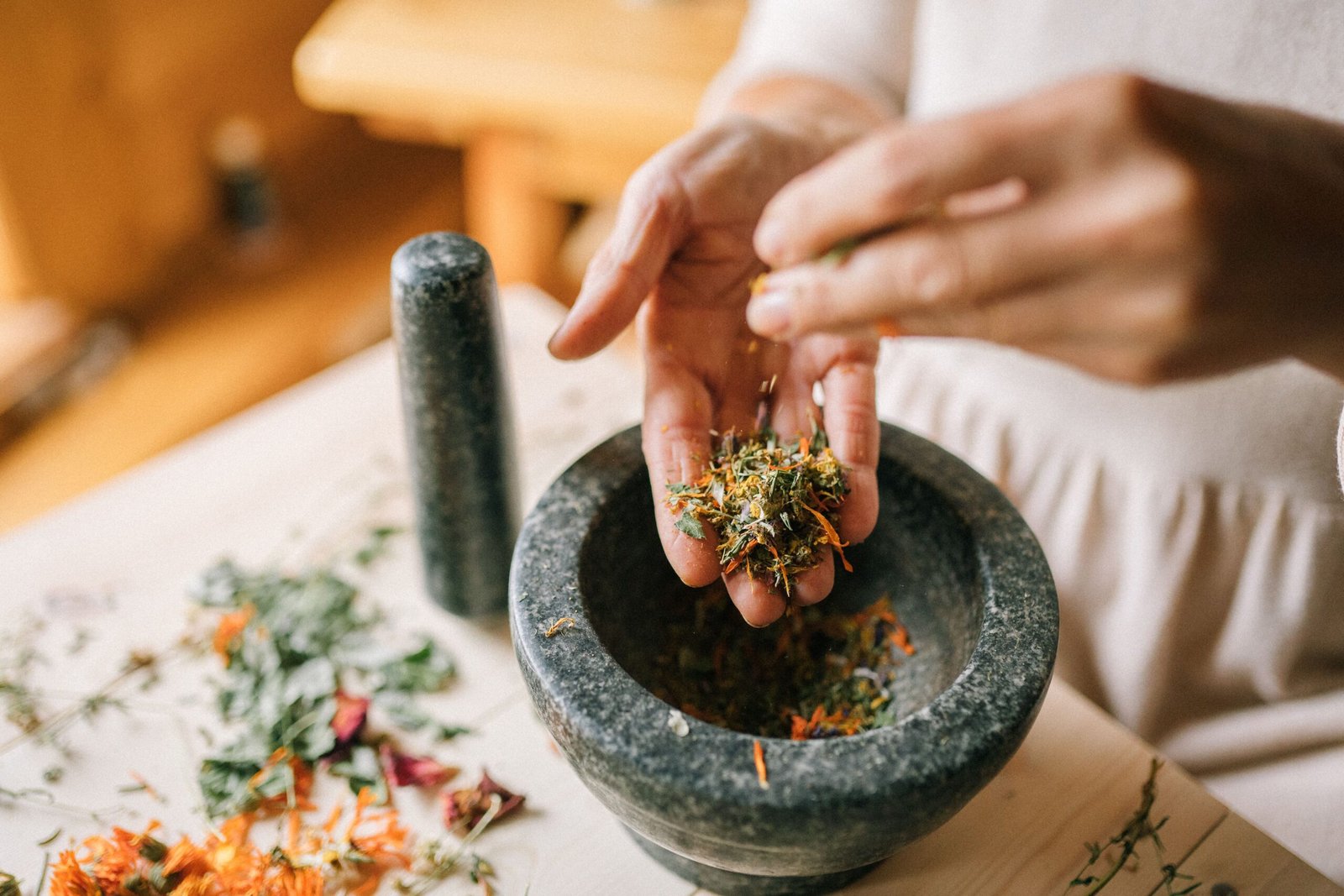
Preparing Traditional Ayurvedic Herbal Remedies

How Ayurveda Clinics Can Digitally Manage Consultations Without Losing Their Traditional Approach

Jaldee LIMS

Ask any BAMS doctor why they chose Ayurveda, and you’ll rarely hear “efficiency” as the answer. You’ll hear about the patient relationship — the long consultation where a person’s lifestyle, diet, sleep, stress, and constitution are understood as a whole, not reduced to a five-minute checklist. It’s this depth that makes Ayurveda different from conventional care, and it’s exactly why so many practitioners hesitate before adopting clinic software.

The worry is understandable: Will a screen between me and my patient make this feel transactional? Will digitizing Prakriti assessments turn a nuanced diagnostic art into a dropdown menu?

Here’s the reassurance worth starting with: good Ayurveda clinic software doesn’t replace the consultation — it protects it. The right system removes the administrative weight around the consultation so the time you do spend with a patient can be spent listening, observing, and treating — not searching for last visit’s notes or calculating a Panchakarma schedule on paper.

Let’s walk through exactly where Ayurveda practices most need digital support, and how technology can hold the operational side steady while the clinical philosophy stays untouched.

1. Managing Long, Layered Consultation Histories

Ayurvedic treatment is rarely a single visit. A patient’s story unfolds over months — dietary changes, seasonal adjustments, symptom evolution, therapy responses. Trying to hold all of that in a paper file, especially across multiple visits and possibly multiple practitioners in a hospital setting, is where critical detail gets lost.

Digital patient records built for Ayurveda let you see a patient’s entire journey in one continuous, chronological view — every consultation, every note, every change in approach — without flipping through years of handwritten files. This doesn’t flatten the relationship; it deepens it, because you walk into every consultation already knowing the full story.

2. Recording Prakriti and Vikriti Assessments Properly

This is often the biggest hesitation point, and rightly so — Prakriti (constitution) and Vikriti (current imbalance) assessments are the philosophical foundation of Ayurvedic diagnosis. Reducing them to a rigid multiple-choice form would genuinely lose something important.

The solution isn’t to force these assessments into generic software — it’s to use a system flexible enough to capture them the way you actually think: structured fields for Vata-Pitta-Kapha proportions alongside free-text space for your clinical observations and reasoning. Digitizing the record doesn’t mean digitizing the judgment — your assessment stays entirely yours; the software simply makes sure it’s never lost, illegible, or hard to reference next visit.

3. Treatment Plans That Evolve With the Patient

Ayurvedic treatment plans are living documents — they shift with the season, the patient’s response, and ongoing observation. A digital treatment plan that’s easy to update, version, and refer back to means you can track why a plan changed, not just what changed — valuable both for continuity of care and for training junior practitioners in a hospital setting.


4. Panchakarma Scheduling Without the Spreadsheet Juggling

Panchakarma is where manual scheduling breaks down fastest. A single patient’s therapy plan might involve multiple procedures across multiple days, coordinated with specific therapists, treatment rooms, and preparation windows. Multiply that across a full Panchakarma center’s patient load, and a diary-based system becomes unmanageable.

Purpose-built appointment and token management lets you schedule multi-day, multi-session therapy programs as a connected sequence — not as isolated bookings — so therapists, rooms, and patients are all coordinated automatically, with reminders sent at each stage.

5. Medicine and Herbal Inventory Tracking

Ayurvedic formulations often involve dozens of individual herbs, oils, and preparations, many with limited shelf lives. Running out of a key ingredient mid-treatment, or over-stocking something that expires unused, is a recurring operational headache for Panchakarma centers and Ayurveda hospitals alike.

Real-time pharmacy and inventory management — tracking stock across single or multiple locations — ensures you always know what’s on hand before you commit to a treatment plan that depends on it.


6. Repeat Consultations Without Starting From Scratch

Returning patients are the backbone of Ayurvedic practice, but repeat visits are only efficient if the practitioner isn’t reconstructing history from memory or paper each time. With centralized patient records, a repeat consultation opens with full context already visible — previous Prakriti notes, past treatments, medicine history, and outcomes — so the conversation can pick up exactly where it left off.

7. Wellness Packages, Made Easy to Track and Deliver

Many Ayurveda and wellness clinics now offer structured wellness packages — a set number of therapy sessions, consultations, or a seasonal detox program bundled together. Manually tracking how many sessions a patient has used, how many remain, and when the package expires is tedious and error-prone.

Digital package management ties usage directly to the patient’s record, so both staff and patients always know exactly where they stand — no manual tally sheets required.


8. Subscription and Membership Management

For wellness clinics offering ongoing membership models — monthly consultations, recurring therapy, seasonal care plans — manual tracking of renewal dates, billing cycles, and entitlements quickly becomes unmanageable as membership numbers grow. An integrated finance and billing system automates renewal reminders, tracks entitlements, and keeps billing transparent for both the clinic and the patient.


9. Online Consultations for Follow-Ups

Not every follow-up needs an in-person visit — particularly for patients checking in on diet adjustments, medicine response, or minor symptom changes. A secure online consultation platform lets you offer virtual follow-ups without compromising continuity of care, extending your reach to patients who’ve moved cities, travel frequently, or simply need a quicker check-in between full consultations.

Importantly, this doesn’t replace the in-person, hands-on nature of Ayurvedic diagnosis and Panchakarma therapy — it simply adds flexibility for the parts of care that don’t require physical presence.


10. Patient Reminders That Respect the Relationship

Automated reminders for upcoming appointments, medicine refills, or the next stage of a Panchakarma program aren’t about replacing personal care with automation — they’re about making sure patients never fall out of a treatment plan simply because they forgot a step. Personalized, well-timed reminders actually reinforce the practitioner-patient relationship, showing patients their care is being actively tracked.

The Real Question: Does Software Change How You Practice Ayurveda?

No — and this is the distinction worth holding onto. Clinic software should sit entirely on the operational side of your practice: scheduling, records, billing, inventory, communication. None of it should dictate how you assess a patient, what questions you ask, or how you form a treatment plan. The moment a system tries to standardize your clinical judgment into fixed templates, it stops serving Ayurveda and starts working against it.

The right Ayurveda clinic software understands this boundary. It gives structure to everything around the consultation, while leaving the consultation itself — the observation, the dialogue, the diagnosis — entirely in the practitioner’s hands.

For Panchakarma Stay-In Programs: Jaldee IP

Many Panchakarma centers and Ayurveda hospitals don’t just treat patients — they host them, often for multi-day or multi-week residential programs involving room stays, prescribed diets, and daily therapy schedules. This “inpatient” side of Ayurveda has its own operational complexity, which is exactly what Jaldee IP, Jaldee Health’s Inpatient Management System, is built for:

  • Patient Admission & Bed/Room Management — captures personal details, reason for treatment, and manages room or bed allotment for residential patients from the moment they check in
  • Medical Records & History — complete history tracking, daily monitoring, and herbal medication logs, with prescriptions flowing seamlessly through to the pharmacy
  • Care Scheduler — calendar-based tracking of patient-specific therapy sessions, mapped to time slots, therapists, wards, beds, and service types — ideal for coordinating multi-day Panchakarma sequences
  • Diet Management & Kitchen Ordering — this one matters enormously for Ayurveda, where diet (Pathya-Apathya) is often part of the treatment itself. Physicians can enter dietary requirements and meal customizations directly, with a unified dashboard for the kitchen to track orders and feedback
  • Nursing & Patient Care — detailed nursing notes, automated care schedules, and critical task alerts, with reminders for medicine administration and check-ups
  • Discharge Workflow — a treatment overview with post-discharge prescriptions and lifestyle advice, plus a clearance checklist for room clearance, bill settlement, and item returns
  • Billing Management — consolidated billing across room stay, treatment, medicines, and diet, with support for discounts and insurance
  • Role-Based Access — separate dashboards for admins, physicians, nursing staff, kitchen staff, and pharmacists, so each team member sees exactly what they need

For a Panchakarma center, this means the residential experience — check-in, daily therapy, prescribed diet, nursing care, and discharge with lifestyle guidance — is coordinated as one connected journey instead of five disconnected manual processes. You can see the complete breakdown on the Jaldee IP page.

How Jaldee Health Supports Ayurveda Practices

Jaldee Health’s healthcare CRM is built to be adaptable across specialties, including Ayurveda, Panchakarma centers, and wellness clinics, offering:

  • Comprehensive digital patient records — detailed patient profiles, treatment history tracking, and communication logs in one centralized system, so long-term Ayurvedic treatment journeys stay fully visible across visits
  • Smart appointment and token management for coordinating complex, multi-session Panchakarma programs alongside routine consultations
  • Pharmacy and inventory management to track herbal formulations and consumables in real time, across single or multiple centers
  • Finance and billing management for transparent invoicing, including support for package- and membership-based care models
  • Multi-channel patient engagement — personalized reminders, follow-up messages, and appointment notifications that keep patients on track between visits
  • Online consultation support (Jaldee Video) for secure virtual follow-ups, extending care beyond clinic walls
  • Reports and analytics to give practitioners and clinic owners real visibility into practice performance
  • Custom branding — including your own app and website — to help Ayurveda practices build a recognizable, trusted digital presence

You can explore the full breakdown of these capabilities on the Jaldee Health Features page, and learn more about the platform’s underlying approach on the Jaldee IP page.

Frequently Asked Questions

1. Can Ayurveda clinics use digital software without compromising their traditional consultation approach?

Yes. Modern Ayurveda clinic software is designed to support administrative tasks like appointments, patient records, billing, and follow-ups while allowing practitioners to conduct consultations in their own traditional way. It enhances efficiency without interfering with clinical judgment.

2. How does Ayurveda clinic software help manage Prakriti and Vikriti assessments?

A good Ayurveda hospital management software allows practitioners to securely record Prakriti and Vikriti assessments using structured fields along with detailed clinical notes. This ensures important patient information is easy to access during future consultations without losing the personalized approach.

3. Is Healthcare CRM suitable for Panchakarma centers?

Absolutely. A Healthcare CRM for Ayurveda can simplify Panchakarma scheduling by managing multi-session therapy plans, therapist assignments, treatment rooms, patient reminders, billing, and inventory—all from a single platform.

4. Can Ayurveda clinics offer online consultations while maintaining continuity of care?

Yes. Secure online consultations are ideal for follow-up visits, medicine reviews, dietary guidance, and progress assessments. They complement in-person consultations and help clinics continue providing care to patients regardless of location.

5. What are the benefits of digital patient records for Ayurveda practitioners?

Digital patient records help Ayurveda practitioners maintain a complete history of consultations, treatments, prescriptions, and follow-ups in one place. This improves continuity of care, reduces paperwork, and enables more personalized treatment planning for every patient.

The Takeaway

Technology should preserve traditional care while simplifying clinic operations. For Ayurveda practitioners, that means software that quietly handles scheduling, records, billing, and communication in the background — so the foreground stays exactly where it should be: a practitioner, a patient, and a consultation built on genuine understanding.

Ready to see how this looks in your own practice? Book a free demo with Jaldee Health and discover how digital tools can support — never replace — the personalized nature of Ayurvedic care.

Safety Net & Build Wealth

Sequat, sagittis nulla at, sollicitudin lorem. Orci varius natoque penatibus et magnis dis partures ient montes.Great websites add great values to your business. From wire-framing to consectetu designing, we do it all.

Featured Thinking

Digital Agency

Great websites add great values to your business From wire-framing to we do it all.

Market Analysis

Great websites add great values to your business From wire-framing to we do it all.
Scroll to Top